.png)
GarLine Seam Tracking Sensors
.png)
Even with perfect initial positioning, thermal distortion and part tolerances can compromise weld integrity. GarLine provides adaptive real-time guidance, correcting the path while welding is in progress. Our technology ensures your system compensates for variations instantly, delivering consistent, high-quality penetration and bead appearance.
Technology for Peak Performance
Every GarLine sensor is built on three industrial pillars to maximize your welding uptime:
.png)
Industrial Robustness
Machined aluminum body with high EMI isolation for TIG welding. Featuring IP67 protection and a Gorilla Glass internal window for extreme reliability in harsh environments.
.png)
Integrated Intelligence
Processes images at 42 frames per second internally. No external control box required. Proprietary algorithms detect complex joints and make sub-millimetric guidance decisions in real-time.
.png)
Simplified Integration
Single-cable Power over Ethernet (PoE) handles both power and data. Industrial Ethernet protocols ensure direct, clean connection to your Robot, Cobot, or PLC system.
Architecture and Design
A unified hardware foundation designed for maximum reliability in any industrial application.
.png)
| Measuring speed (fps) | 42 |
| Operating temperature | -40 to +55 ºC |
| Laser Type | Red Line |
| Laser Safety Class | 3R (Eye Safe) |
| Connection Cable | 1 Standard PoE (Cat6e) |
| External Controller | Not Required |
| IP Protection | IP67 |
| Dimensions (mm) | 65 x 45 x 145 |
| Mass | 0.45 KG |
The GarLine Family
From thin-sheet micro-welding to heavy structural steel, there is a GarLine for every challenge.
.png)
GarLine 15
High resolution for delicate TIG or Laser welding on thin materials.
.png)
GarLine 20
Optimized for Hard Automation and height-restricted environments.
.png)
GarLine 30R
Our most versatile sensor, covering 90% of industrial robot applications.
.png)
GarLine 80
Designed for large structures, beams, and significant assembly gaps.
| Specification | GarLine 15 | GarLine 20 | GarLine 30R | GarLine 80 |
|---|---|---|---|---|
| Measuring range (mm) | 14 x 46 | 20 x 70 | 28 x 70 | 80 x 110 |
| Resolution (mm) | 0.01 x 0.02 | 0.03 x 0.06 | 0.03 x 0.05 | 0.07 x 0.07 |
| Nominal Standoff (mm) | 90 | 53 | 100 | 115 |
| Minimum gap recommended (mm) | 0,2 | 0,3 | 0,4 | 0,1 |
| Minimum step recommended (mm) | 0,3 | 0,5 | 0,8 | 1.5 |
Expert Consultation
Discuss your specific welding application with our technical team and get a detailed proposal.
Email: info@garmo-instruments.com
FAQ
Which seams can GarLine sensor detect?
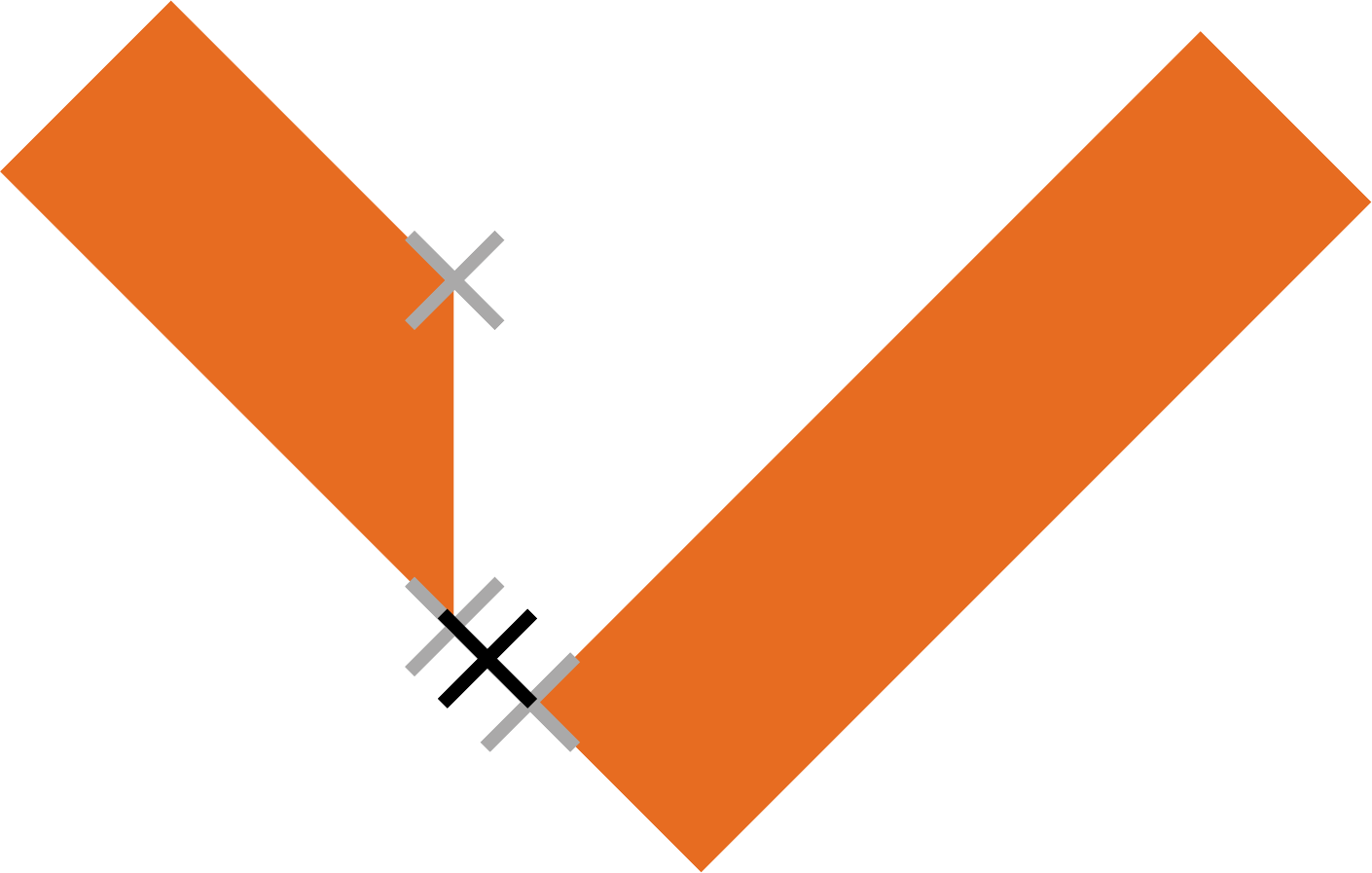
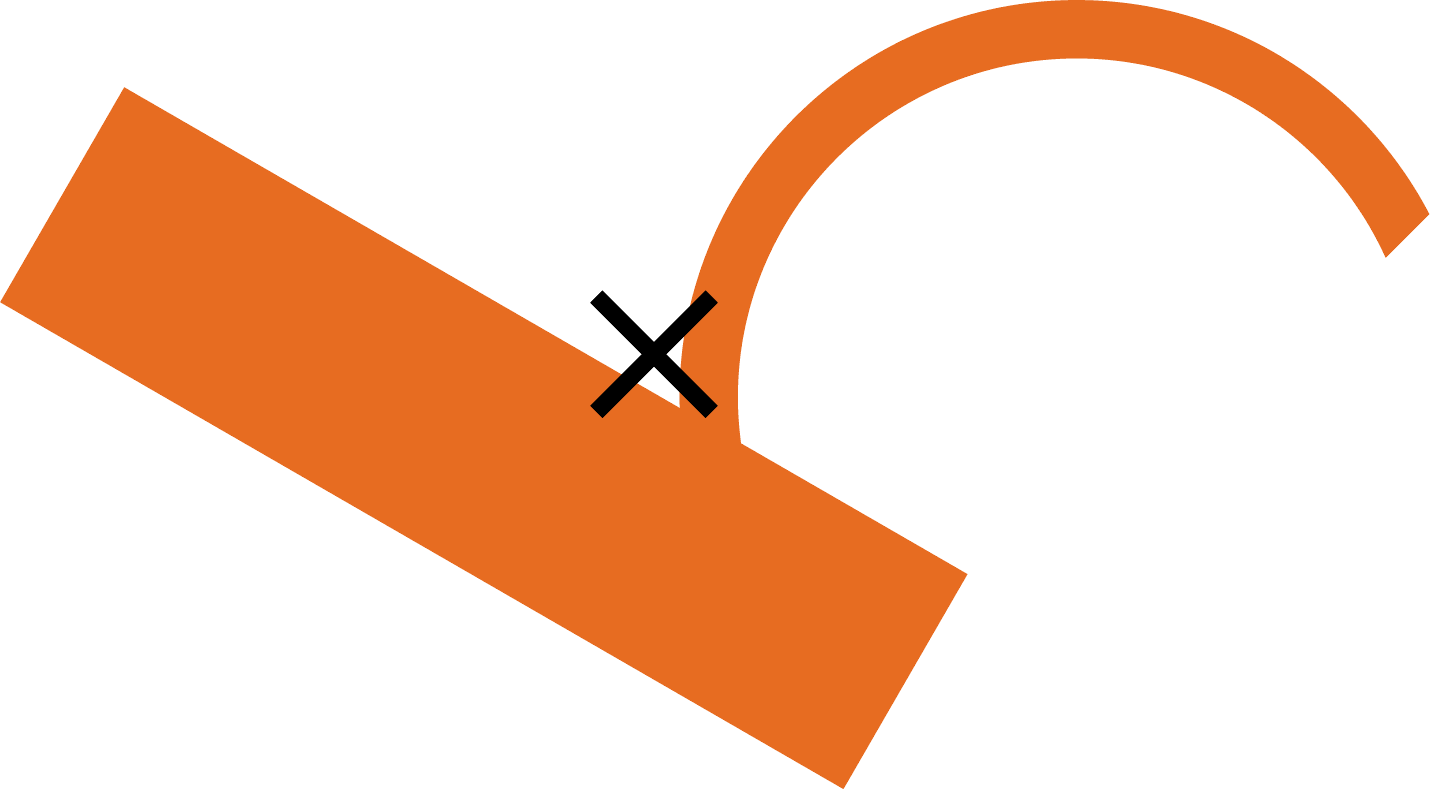
GarLine is designed to distinguish the most common welding seams. Thanks to its integrated web interface, seams can be easily detected and set up. Here are some of the seams that GarLine sensor detects:
Most common seams


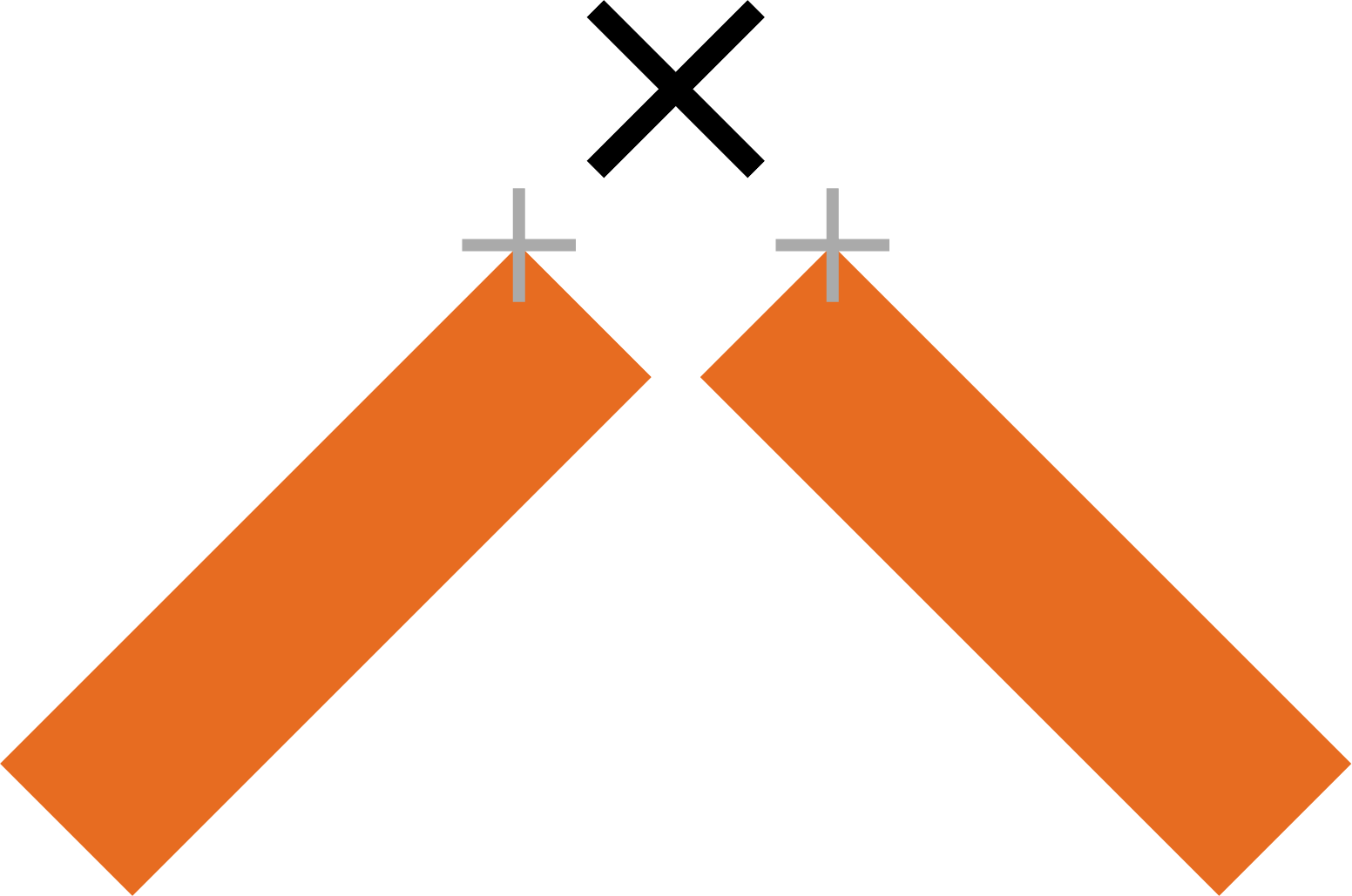

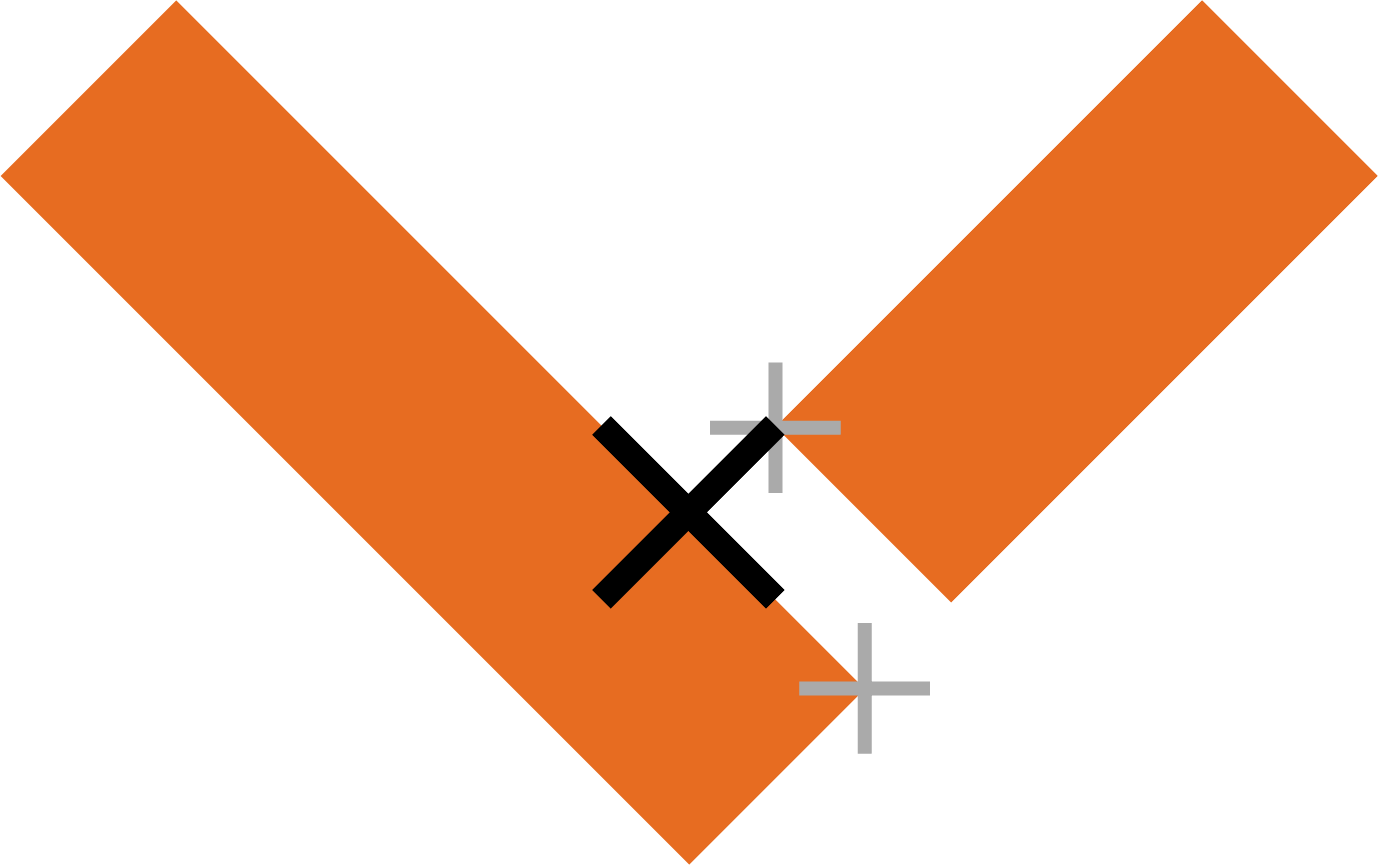
Seams with bevels

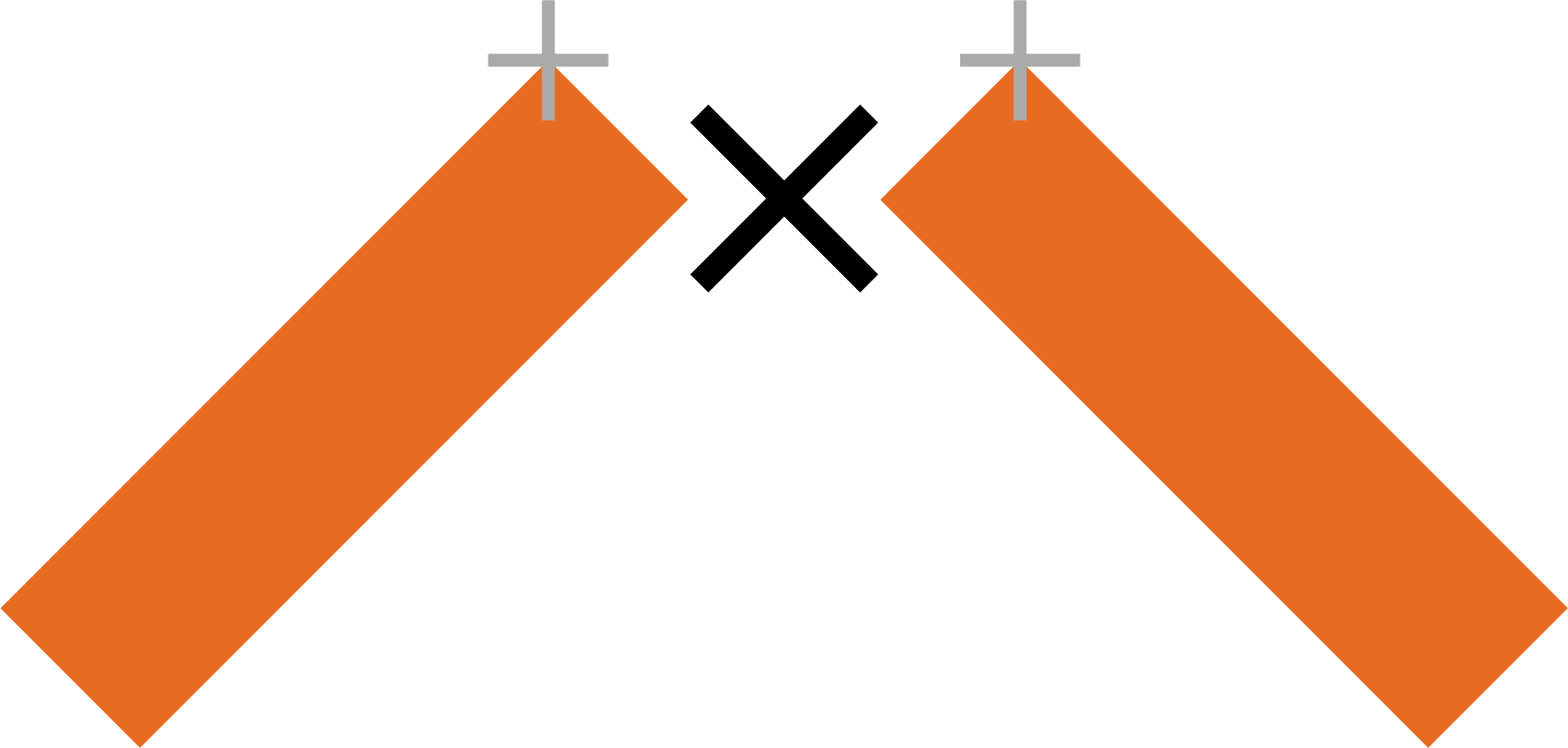
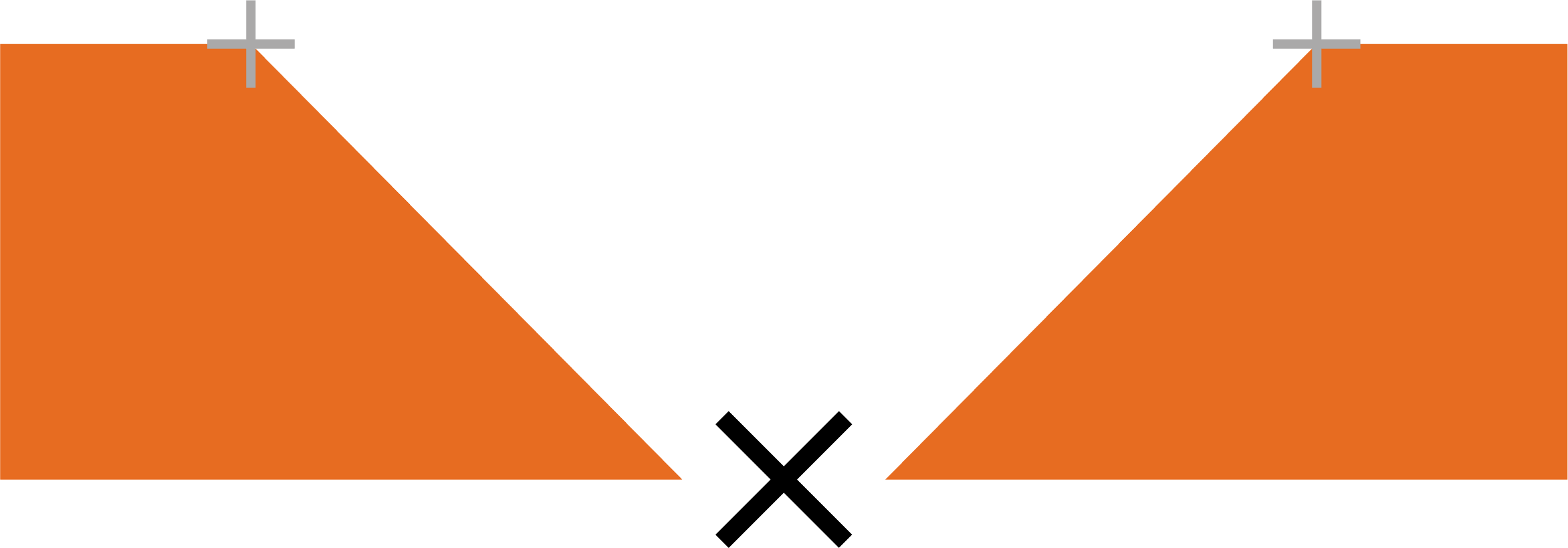
Seams for pipes


How does the laser triangulation process work?
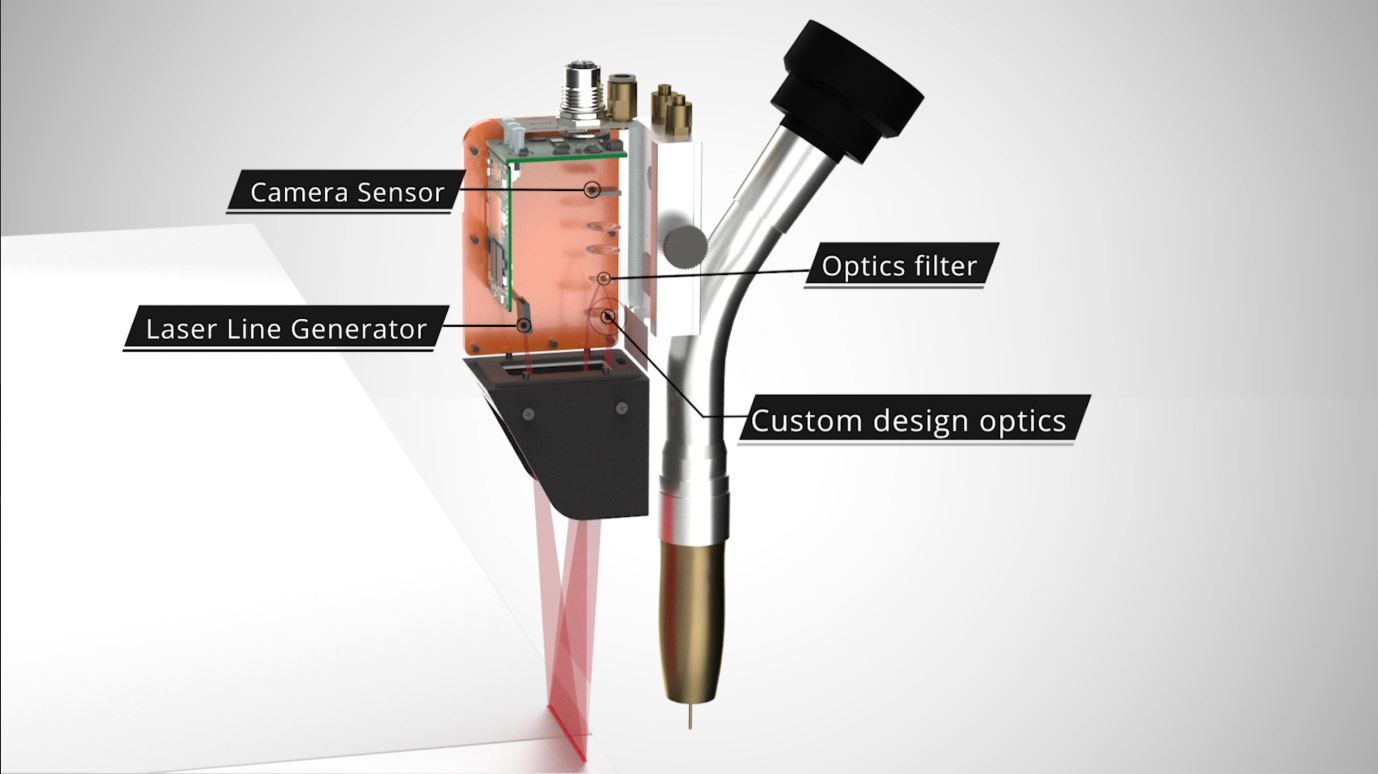
Laser seam tracking is based on the principle of triangulation. GarLine uses a structured light source to produce 2D slices that generate 3D information of the joint.
How can I incorporate GarLine into my system?
GarLine includes a series of welding seam libraries and examples that don't require a professional programmer for integration, basic notions of PLC programming are enough to successfully incorporate GarLine into the system. These libraries include PLC integration sections and examples of the integration into HMI.
In case of integration into cobots, Garmo Instruments offers a URcap integration to enable a fast implementation.
Which maintenance does GarLine require?
GarLine is designed to offer user a minimal sensor maintenance. Thanks to sensor's polycarbonate frontal disposable protective window, its splatter shield, the air flow through the sensor head and its easy mounting and dismounting system on the water-cooled mounting plate, GarLine sensor is protected against any possible damages that could be produced by welding process (moisture, splatter, dust, etc.). Sensor maintenance is simple - depending on the welding process, the protective polycarbonate window would be replaced more or less regularly (the window replacement process is quick and easy). For a more in-depth cleansing, the sensor can be easily removed from the mounting plate, without any need in additional tools, and the external sensor housing can be easily cleaned. Thanks to the IP67 protection, the Gorilla Glass internal protective window and sensor's waterproof coating, GarLine's cleansing and maintenance are made simple.
Is the laser safe?
GarLine employs a 3R class laser which is equipped with advanced technology and operates at a lower frequency than other laser sensors, that use a 3B class laser. What differs a 3R laser is the security that it offers at the workplace since, unlike other sensors, GarLine’s laser isn’t harmful to eyesight, even if the sensor is handled without protective glasses.
What PoE means?
Power over Ethernet (PoE) is a technology that enables network cables to carry electrical energy.
A regular sensor normally needs two wires: a power wire and a network wire to connect sensor to the system. It’s usual to find these wires joined into a single non-standard wire with specific connectors.
Nevertheless, if the sensor can support PoE, just one standard wire is required, usually a Cat6e wire type or higher, since both power and connection data would be transferred through it.
Power over Ethernet reduces the number of wires needed to connect the sensor, and the number of non-standard wires.